About Us
Why Choose QDBS for Port Augusta Works and Projects
Port Augusta and the Upper Spencer Gulf can bring a different set of delivery challenges compared with Adelaide metro, coastal regional or quarry-only projects.
The work may involve a highway corridor, a quarry face, a mining rehabilitation support scope, a renewable energy project, an industrial site, a remote access road, a drainage corridor, a rail interface or heavy civil works linked to broader regional development. Each one needs a different level of control, planning and coordination.
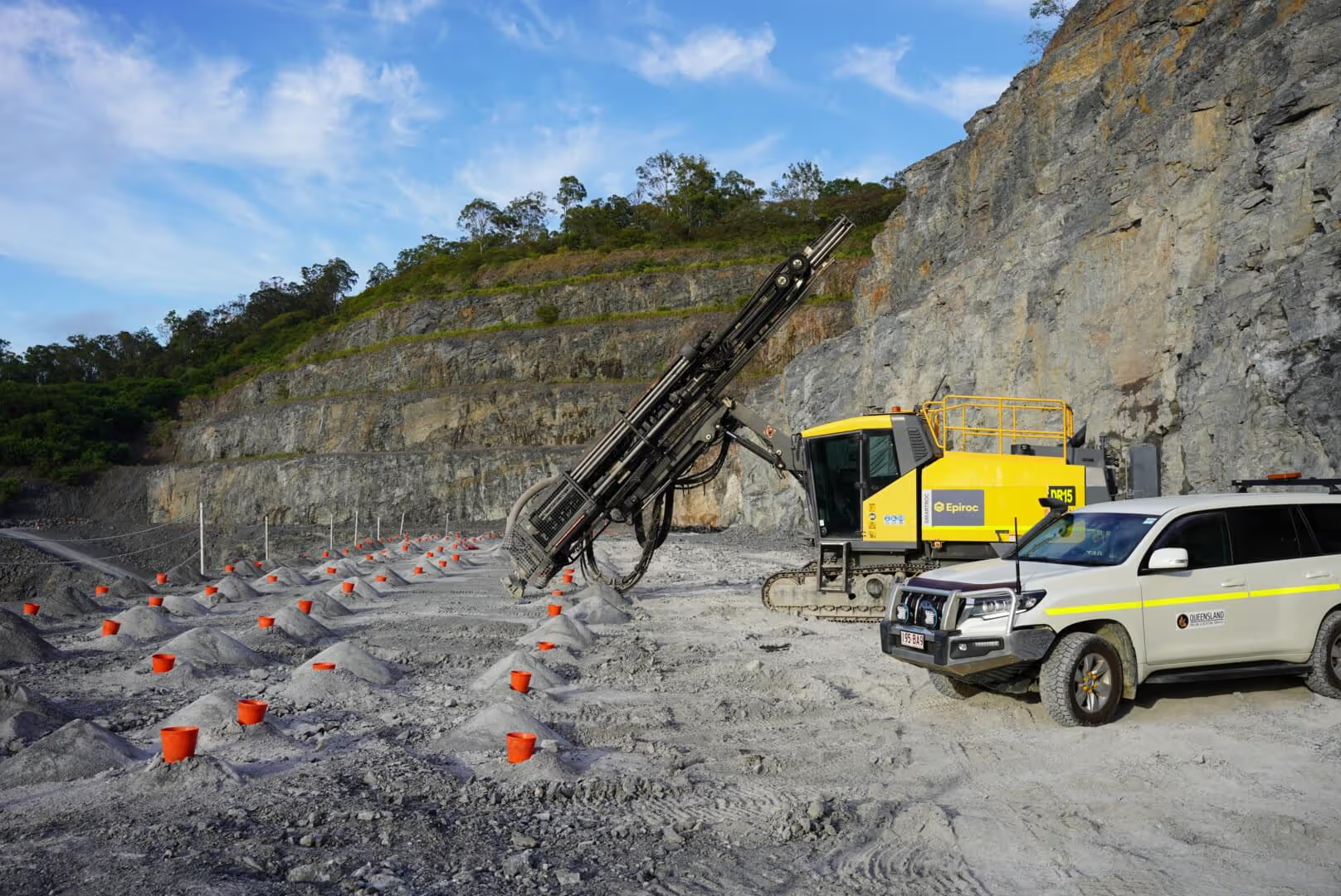
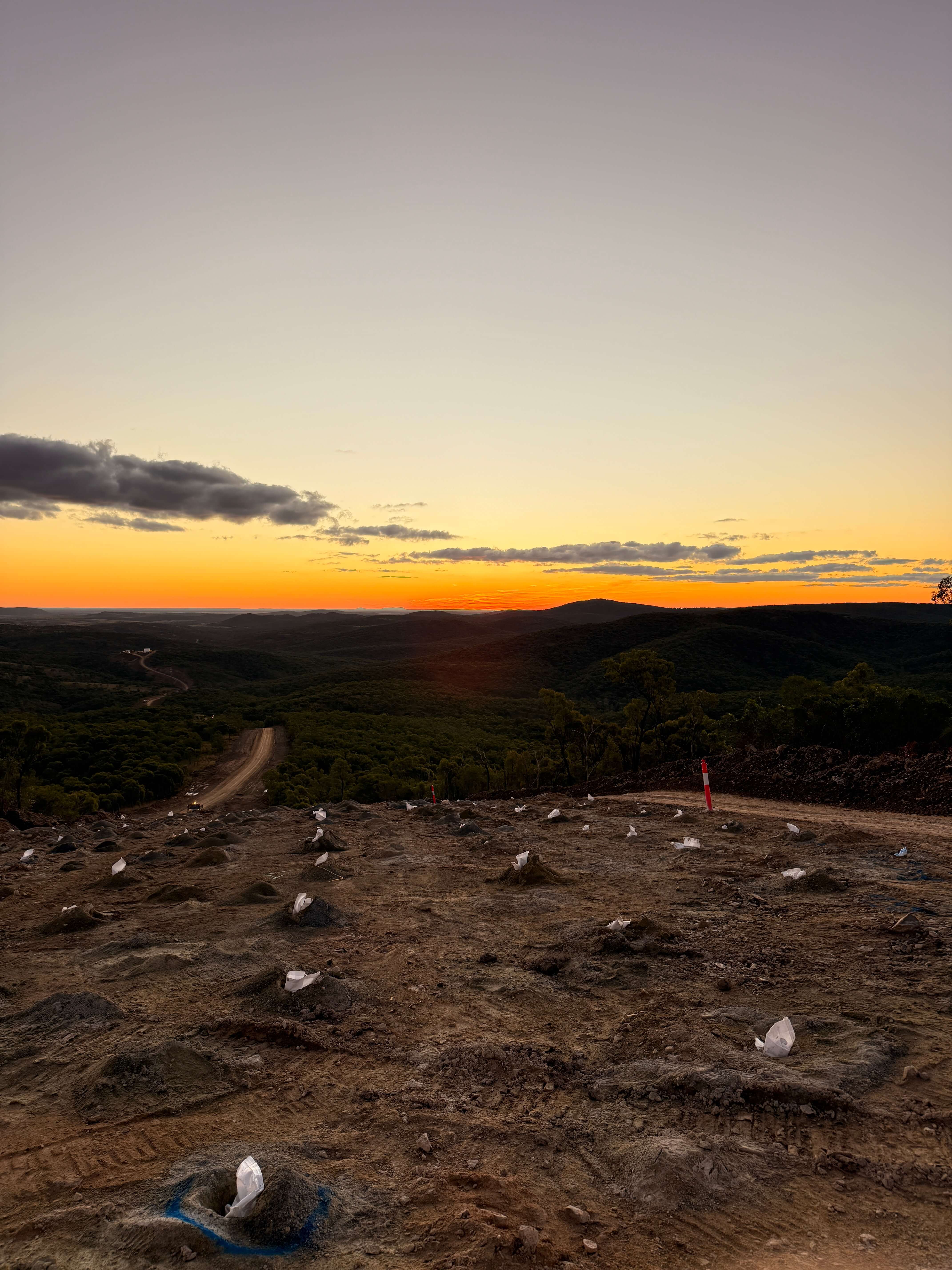
Drilling and blasting starts with understanding the required excavation outcome. The blast design, drill pattern, hole depth, burden and spacing all need to align with the ground conditions and the result the client needs.
A typical drill and blast workflow may involve:
Reviewing drawings, site information and constraints
Understanding access, services, structures and exclusion requirements
Planning the drill pattern or drilling method
Drilling holes to the required depth, location and alignment
Checking drilling accuracy and site conditions
Coordinating blast preparation, loading and firing where blasting is required
Managing communication with the site team
Supporting handover, reporting and documentation
The drilling stage has a direct impact on the blast result. Poor collar positioning, inconsistent depths or incorrect hole alignment can affect fragmentation, vibration control, profile control and excavation efficiency.
The blast is only as good as the holes prepared for it.
Trusted by many companies